Cognitive Games banner

Cognitive Games

Four clinical memory and attention tests turned into mobile games for people with mild cognitive impairment.

Context
Neurowyzr's science team needed cognitive therapy sessions people would stick with.
Problem
The existing assessment flows held attention for 3–4 minutes, therapy needs about 20, and the core tasks were clinically approved and couldn't change.
My role
Experience strategy, interaction design and gamification: turning each task into a game, with scoring and feedback, inside the existing backend and a React Native web app.
Outcome
Four games designed and prototyped, each wrapping an approved clinical task in its own story and world.
Client / Org
Neurowyzr, Singapore
Timeline
4 games, multiple iteration cycles
Year
2025
Product DesignGamificationInteraction Design

The problem

Therapy needs 20 minutes. The tasks held 3 to 4.

For cognitive therapy, engagement is part of the product. The science team needed around 20 minutes of sustained engagement; the existing clinical tasks held attention for 3 to 4.

  • 3–4 minattention the clinical tasks held
  • 20 minneeded for therapeutic benefit (the science team’s brief)

The constraints

Change the experience, not the science.

The task logic was clinically approved, the backend already existed, and the platform was a web app with no game engine. The design had to live inside all three.

  • Approved logic

    The task mechanism could not change.

  • Existing backend

    A new skin on the same engine.

  • Web app

    No heavy game engine, no sprites.

The change in experience

Wrap the science in a story.

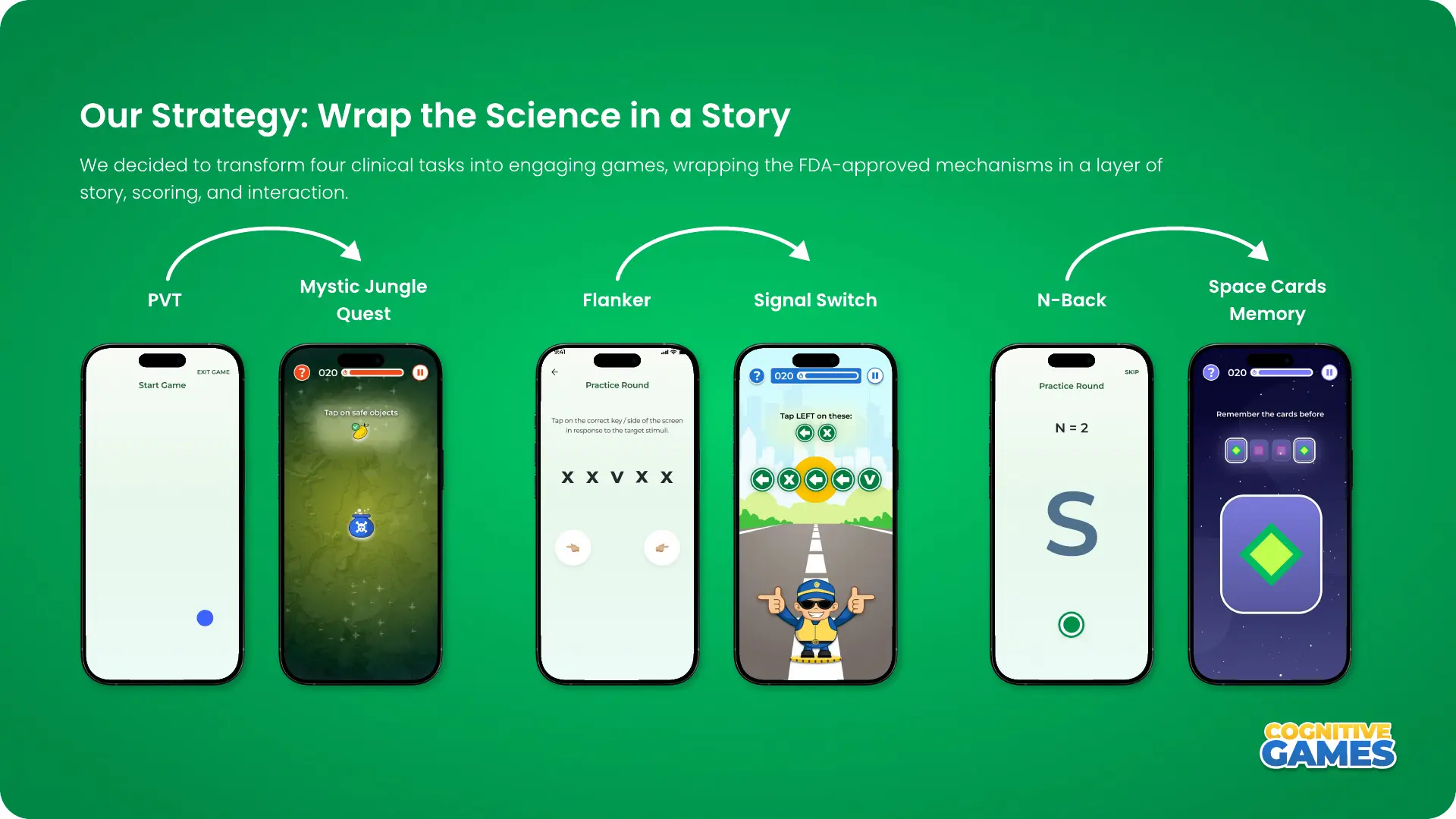
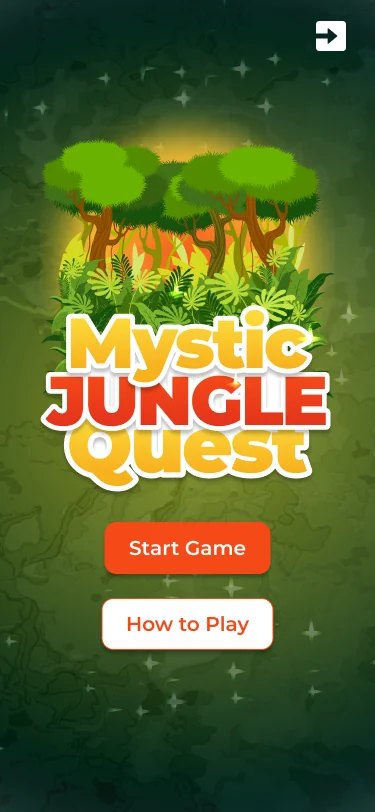
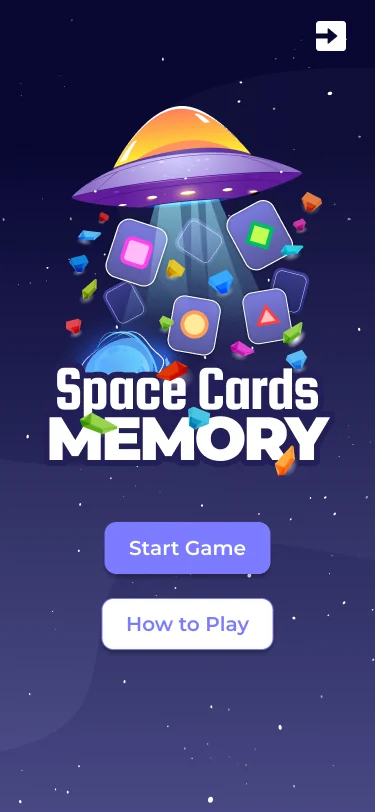
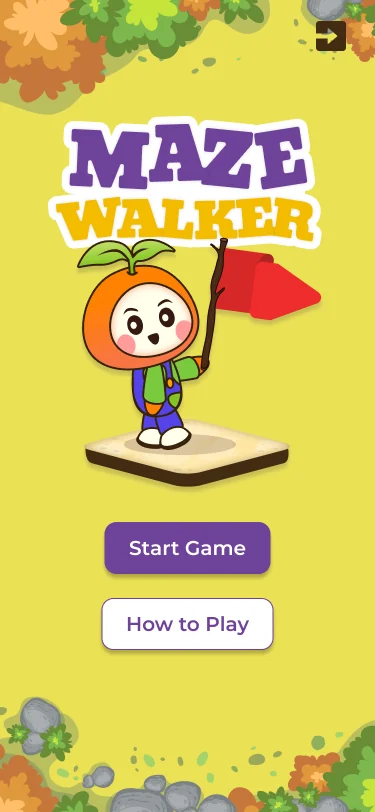
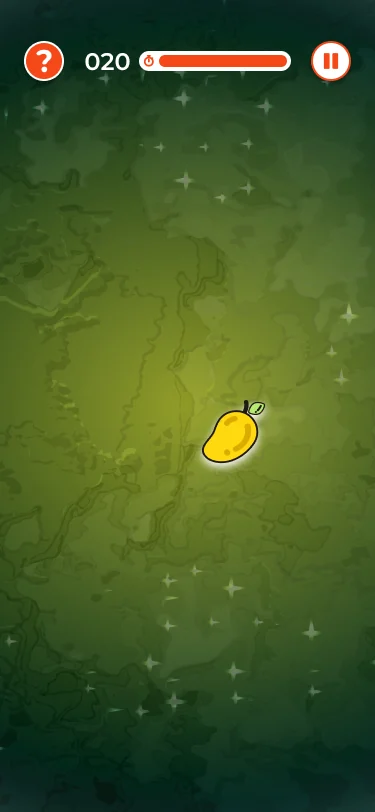
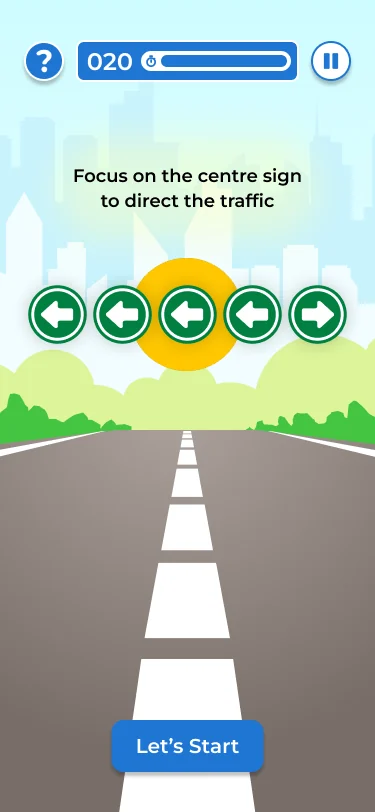
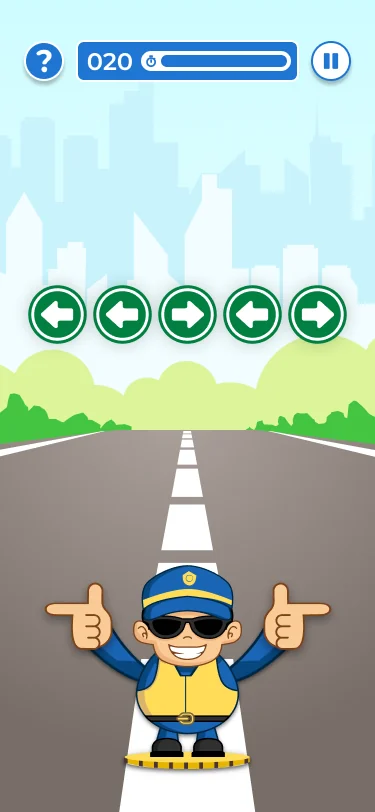
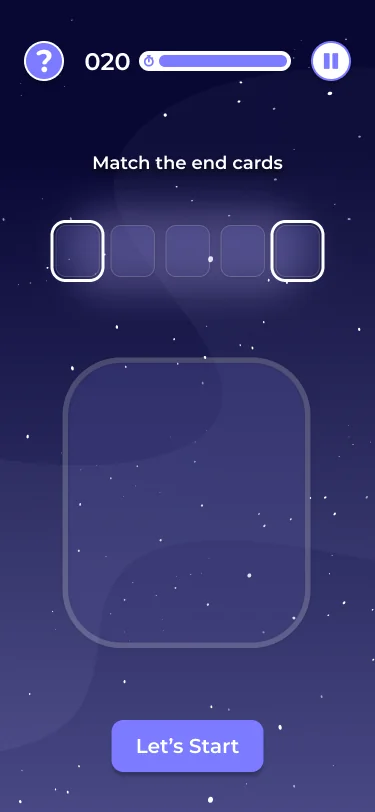
Keep each scientific task intact and redesign everything around it. PVT became Mystic Jungle Quest, Flanker became Signal Switch, N-Back became Space Cards Memory, and Maze became Maze Walker.

Strategy: PVT becomes Mystic Jungle Quest, Flanker becomes Signal Switch, N-Back becomes Space Cards Memory

Fix 01 · Too complex? Simplify.

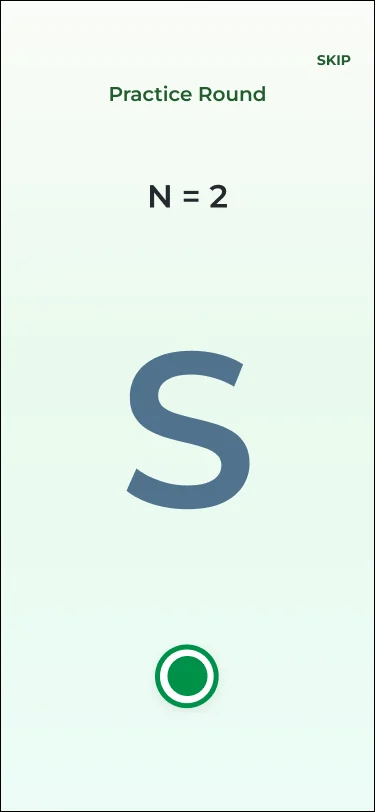
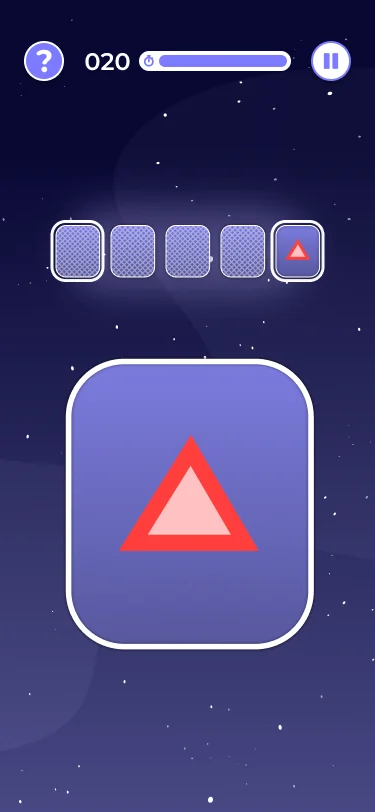
N-Back: same memory task, a clearer turn.

Drag to compare the original clinical screen with the game.

Original clinical N-Back: letter S, N = 2 and a response circle
Space Cards Memory N-Back gameplay

Fix 01 · Too complex? Simplify.

Watch people play, then remove what confuses them.

Complex tasks needed less, not more. Informal tests with two extremes, someone who reads everything and someone who reads nothing, showed what to take away.

  1. 01N-Back
  2. 02N-Back
  3. 03Flanker
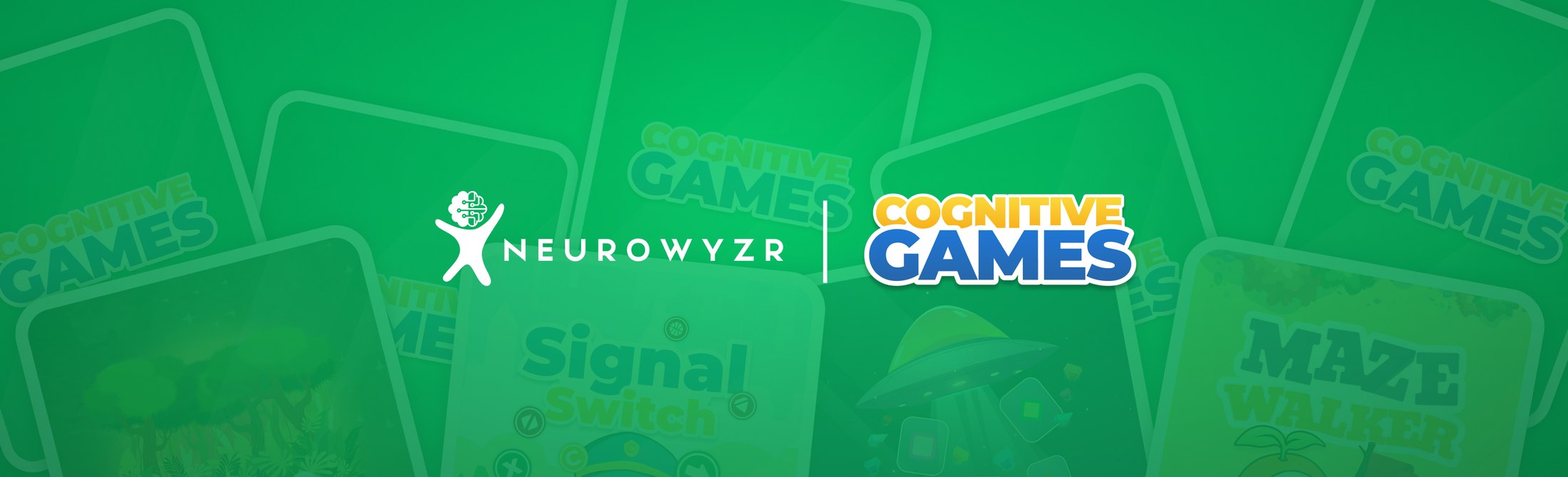
N-Back attempts that did not work: lifting cards, stacking objects, text-heavy instructions

01 · N-Back

Three metaphors failed.

Lifting cards, stacking objects and prettier visuals that still leaned on text instructions all failed.
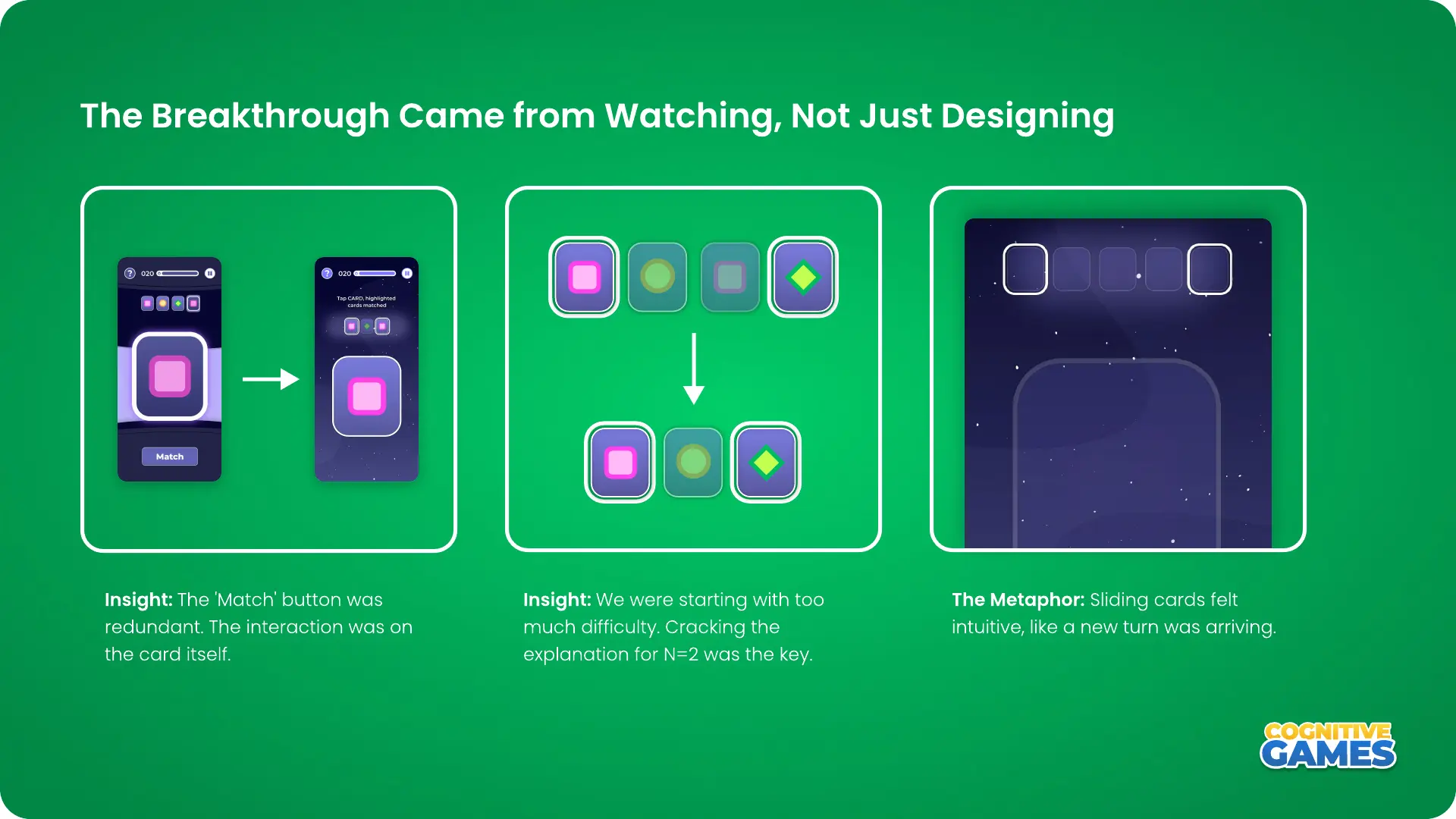
N-Back breakthrough: the Match button was redundant, N = 2 explained, sliding cards as a new turn

02 · N-Back

Sliding cards worked. The Match button went.

The separate Match button was redundant: the card itself was the target. Sliding cards made each new turn visible.
Signal Switch character built from separate parts so it adapts to any screen

03 · Flanker

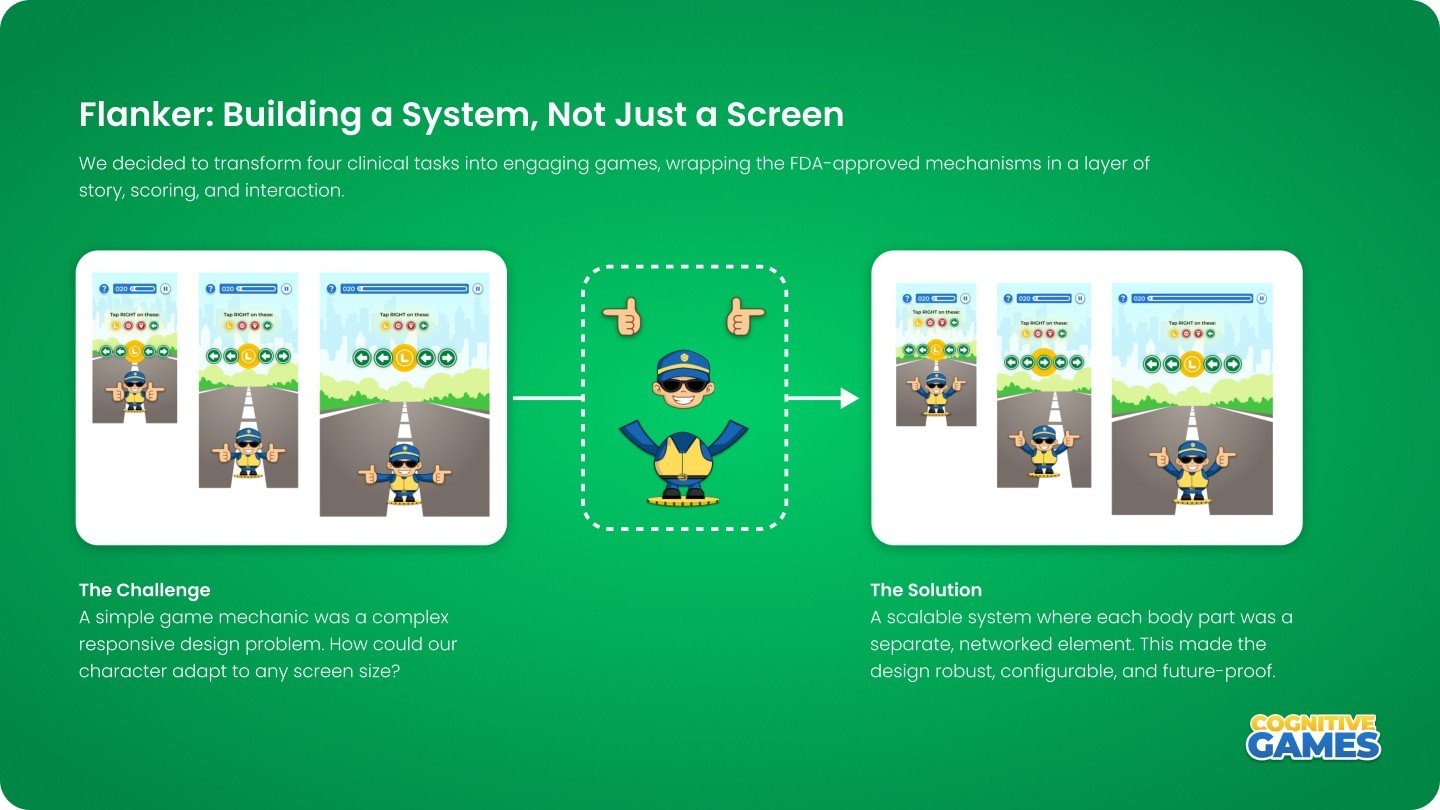
A character built from parts.

The Flanker character had to adapt across screen sizes without a game engine, so it was built from separate, configurable parts.

Fix 02 · Too simple? Add a story.

Give simple tasks a reason to keep going.

Simple tasks needed meaningful friction: a story, levels and a timer so fast players do not race through fixed rounds.
  1. 01PVT
  2. 02Maze
  3. 03Maze
  4. 04Maze
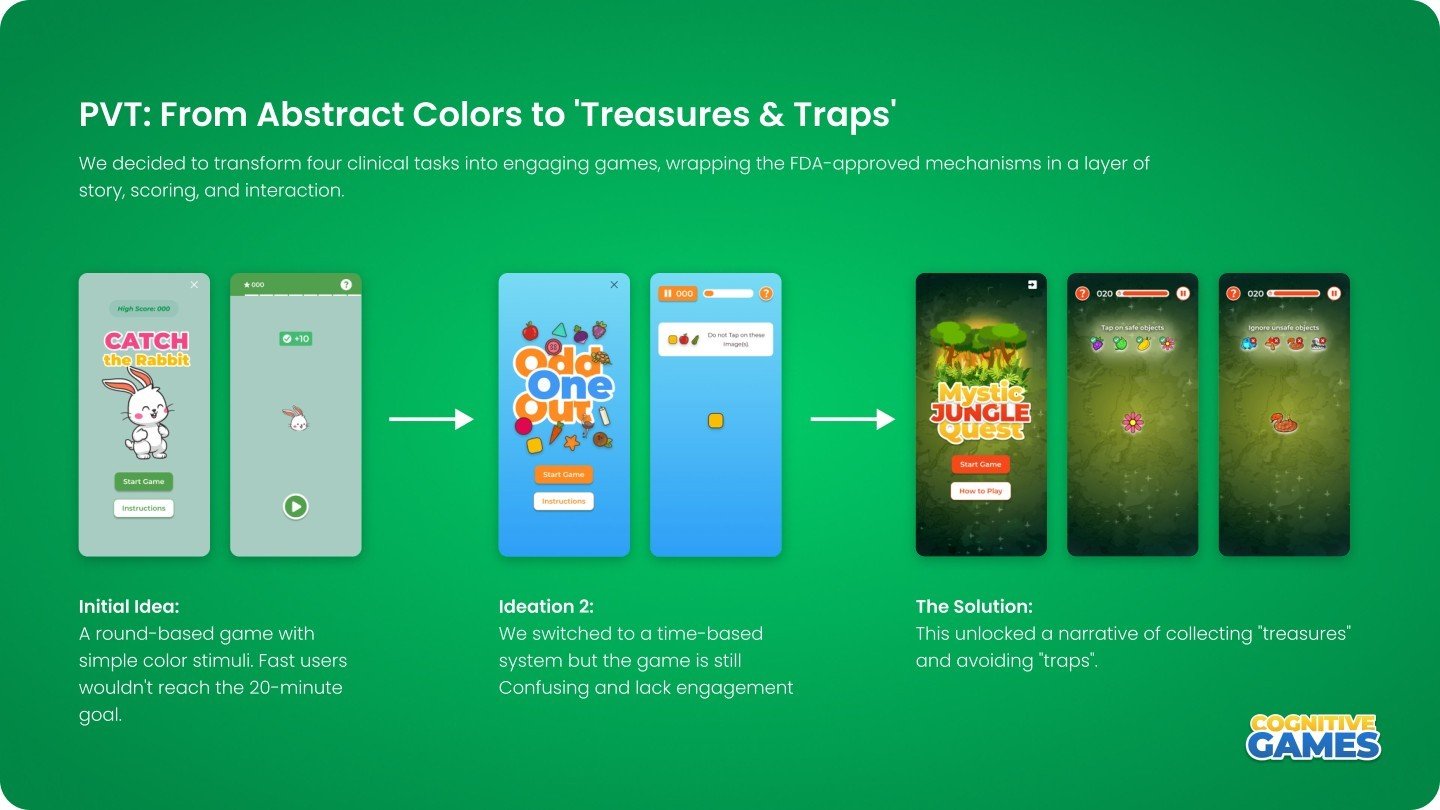
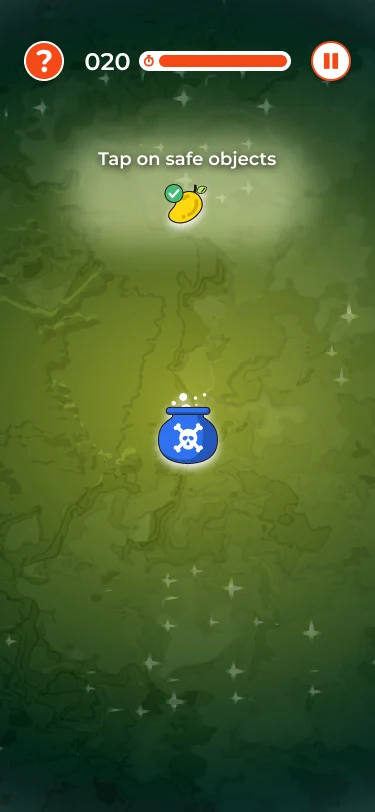
PVT progression from abstract colours to Mystic Jungle Quest treasures and traps

01 · PVT

Colours became treasures and traps.

Users stopped responding to abstract colours and started collecting treasure and dodging traps. Same response logic, real motivation.
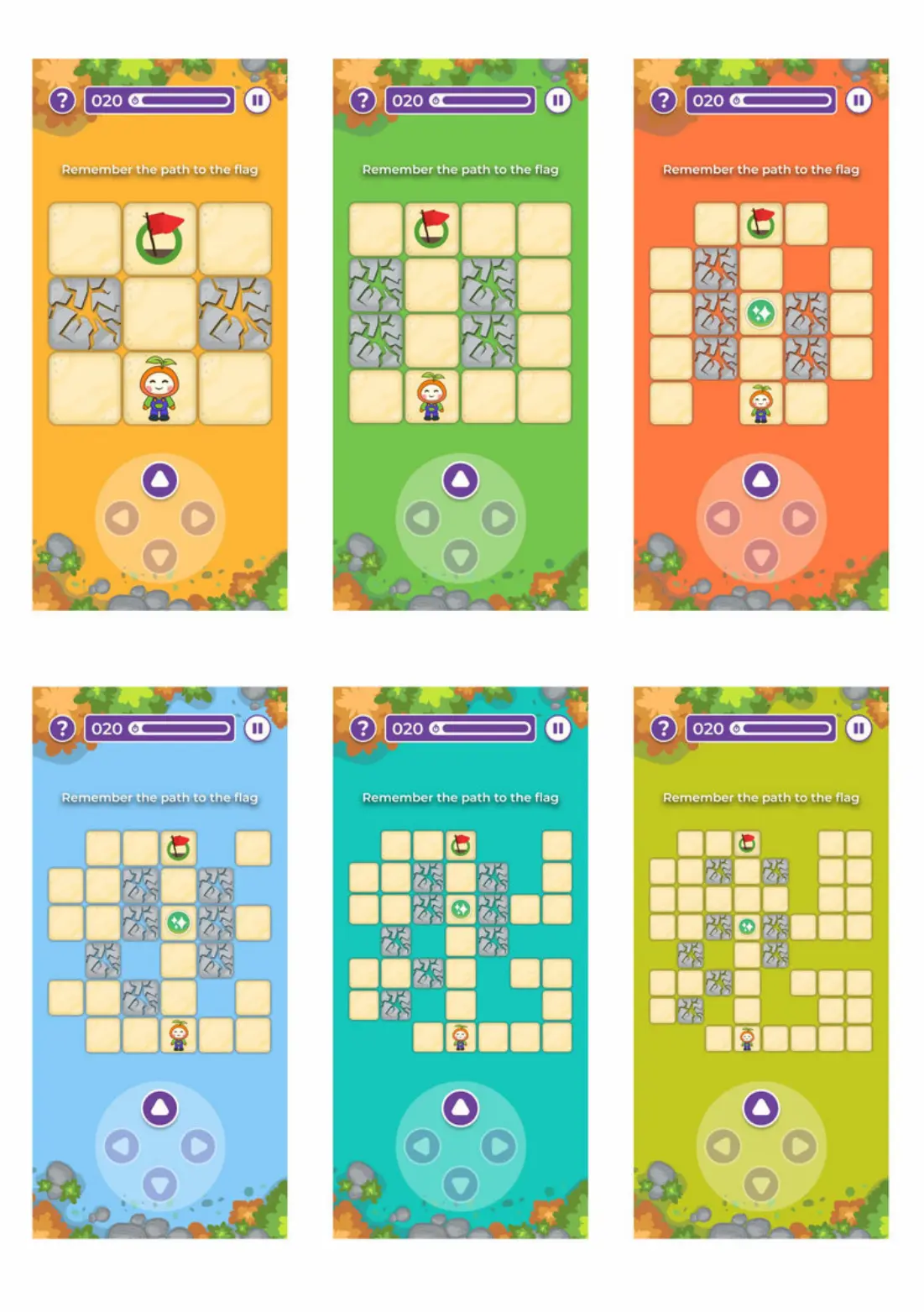
Maze Walker levels, each with its own background colour

02 · Maze

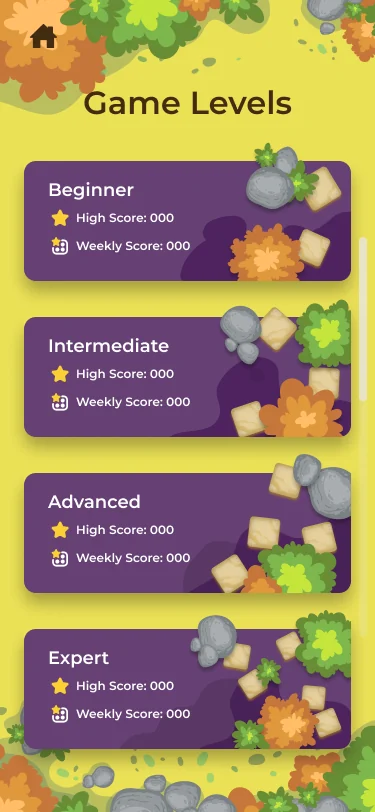
Every level, its own world.

The Maze mechanics were already validated, so the work was differentiation: each level gets its own world.
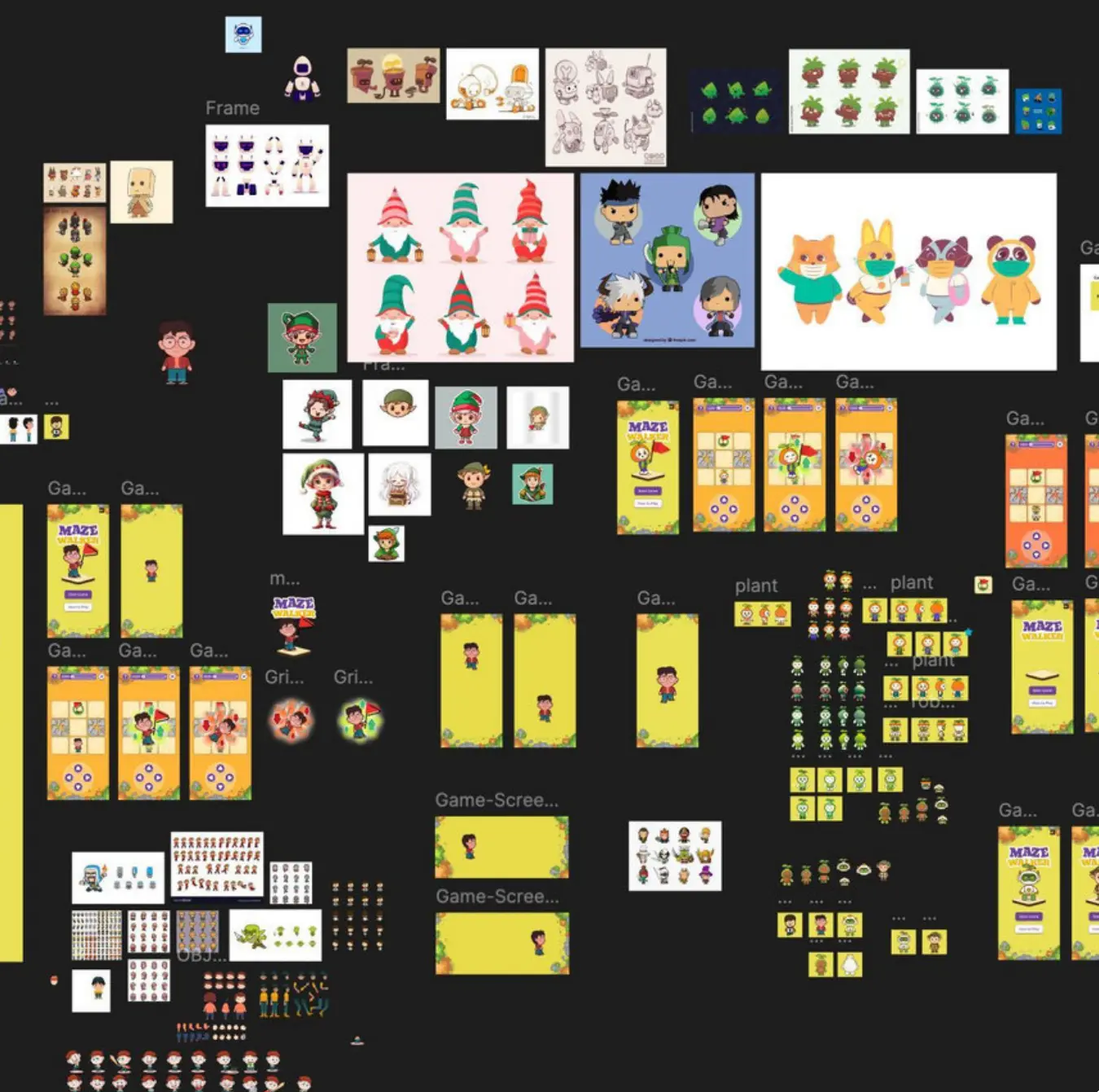
Maze Walker character explorations

03 · Maze

Dozens of characters, one hero.

Character explorations, narrowed to one hero people could connect with.
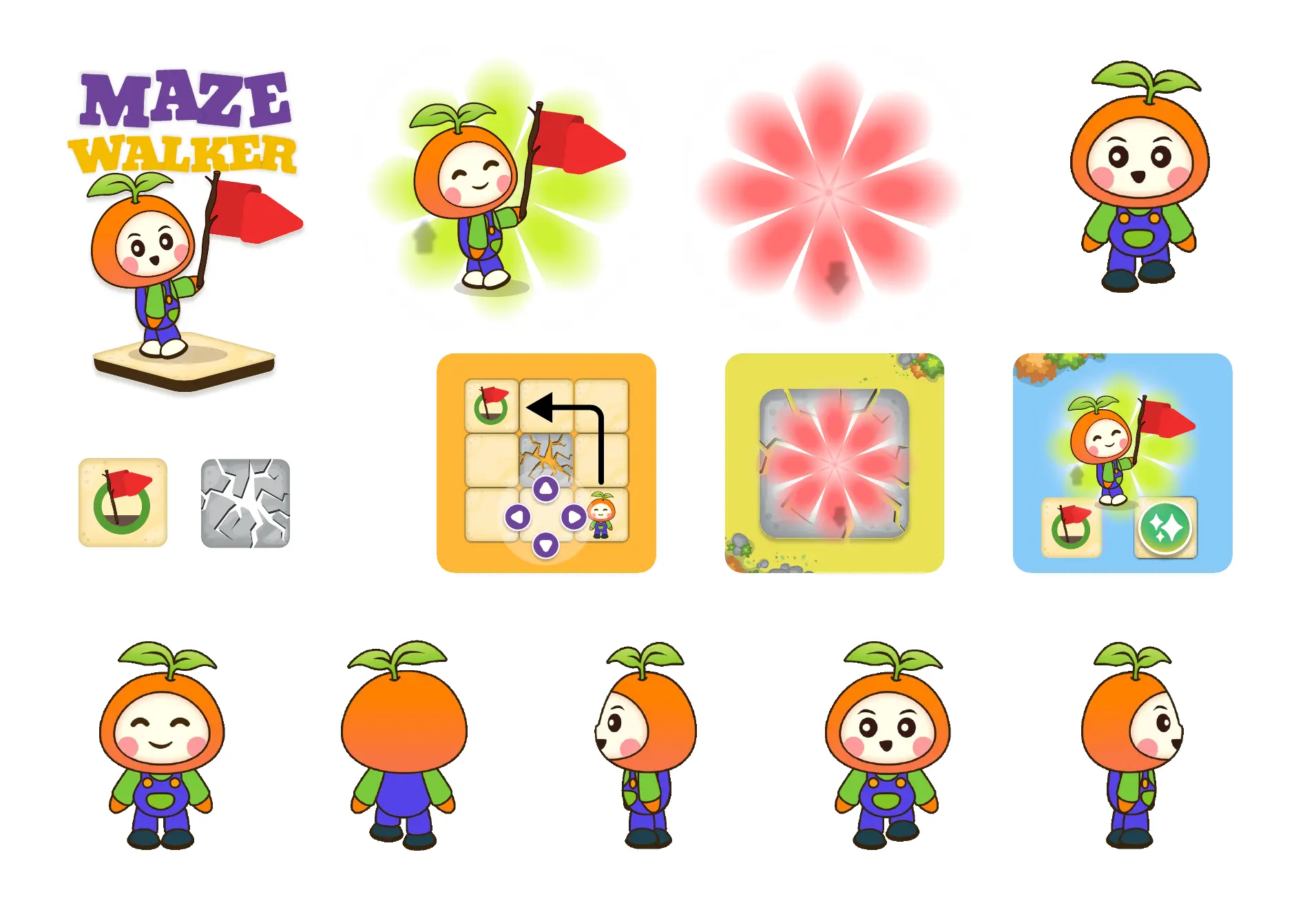
The final Maze Walker character, poses and tile states

04 · Maze

The final character, in every state.

The final character, its poses and the tile states it walks across.

The UI

Four games. One family.

Four worlds that share one structure.
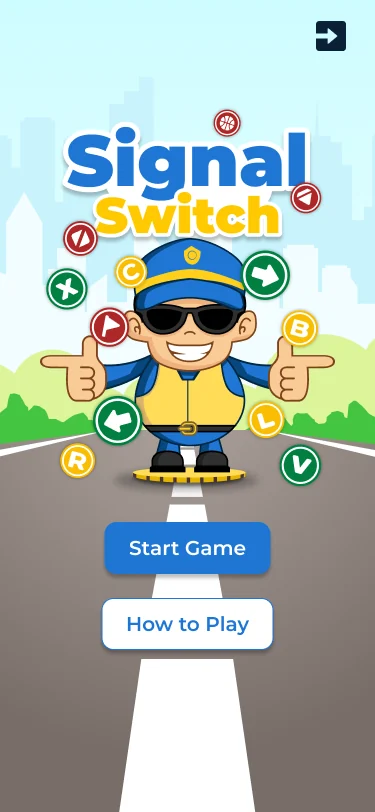
Mystic Jungle Quest start screen
Mystic Jungle Quest
Signal Switch start screen
Signal Switch
Space Cards Memory start screen
Space Cards Memory
Maze Walker start screen
Maze Walker

Every screen

Learn, choose a level, play, finish.

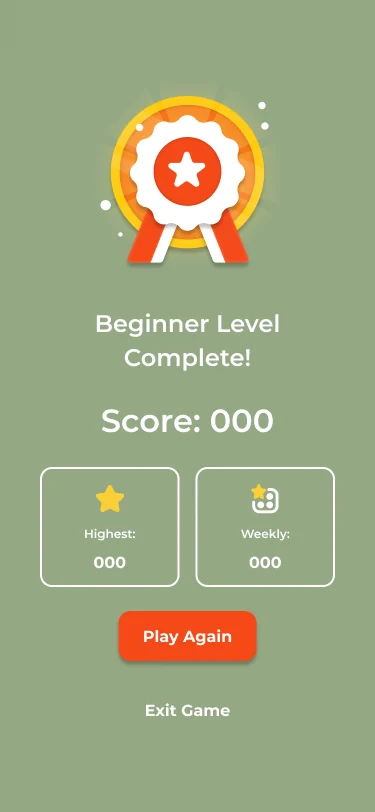
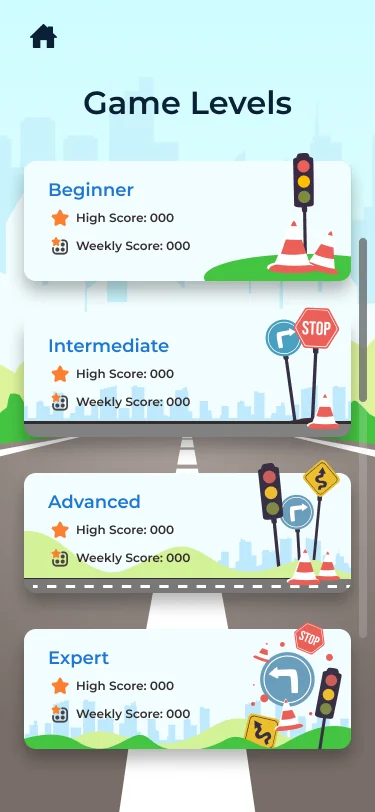
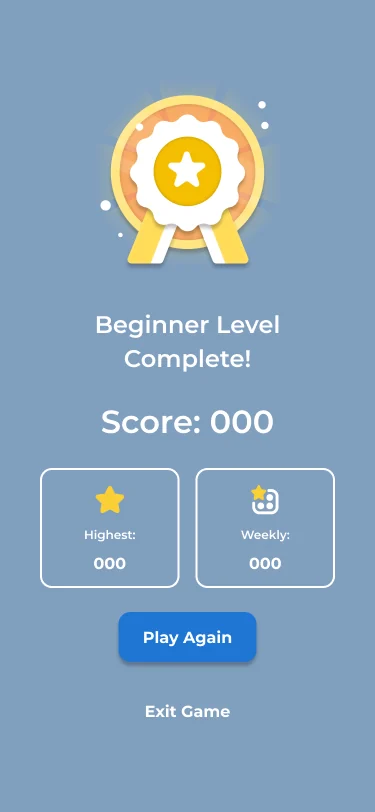
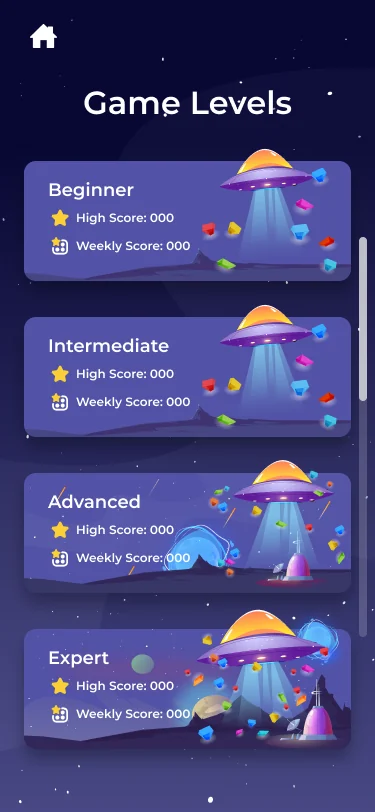
Every game follows the same path: how to play, choose a level, play, and finish.
Mystic Jungle instructions
Jungle · how to play
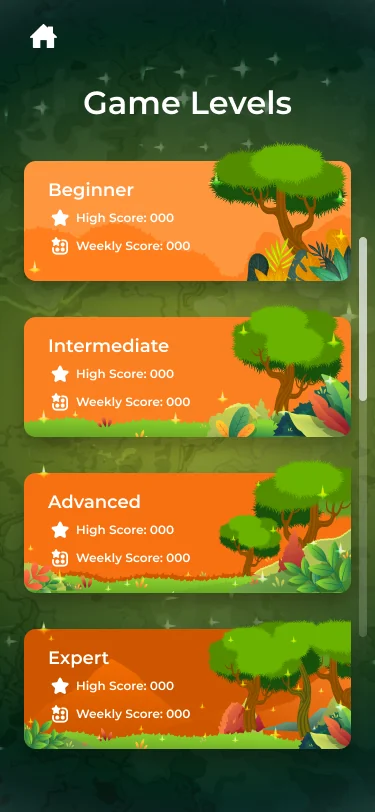
Mystic Jungle levels
Jungle · levels
Mystic Jungle gameplay
Jungle · play
Mystic Jungle level complete
Jungle · complete
Signal Switch instructions
Signal · how to play
Signal Switch levels
Signal · levels
Signal Switch gameplay
Signal · play
Signal Switch level complete
Signal · complete
Space Cards instructions
Space · how to play
Space Cards levels
Space · levels
Space Cards gameplay
Space · play
Maze Walker levels
Maze · levels
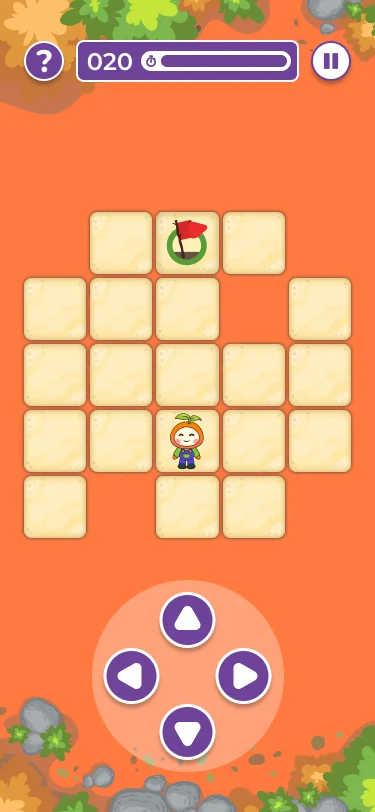
Maze Walker gameplay
Maze · play
Maze Walker expert level
Maze · expert

Animation

Motion tells you what just happened.

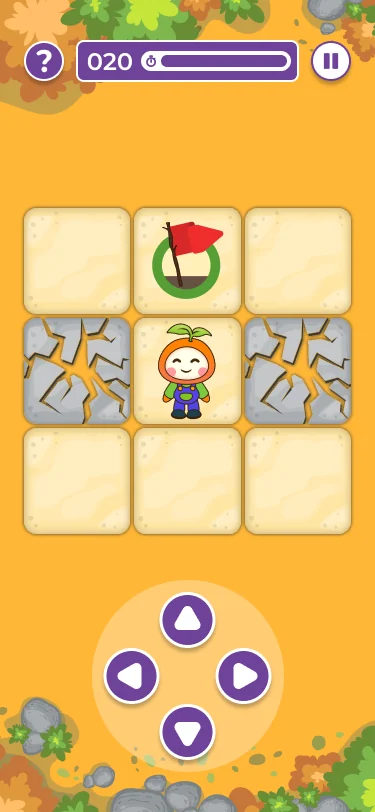
Animation earns its place by explaining consequences: a treasure collected, a new card arriving, a tile cracking.

Jungle · treasure or trap
Space · a new card arrives
Maze · a tile cracks

The design system · shared

One set of components, reused in every game.

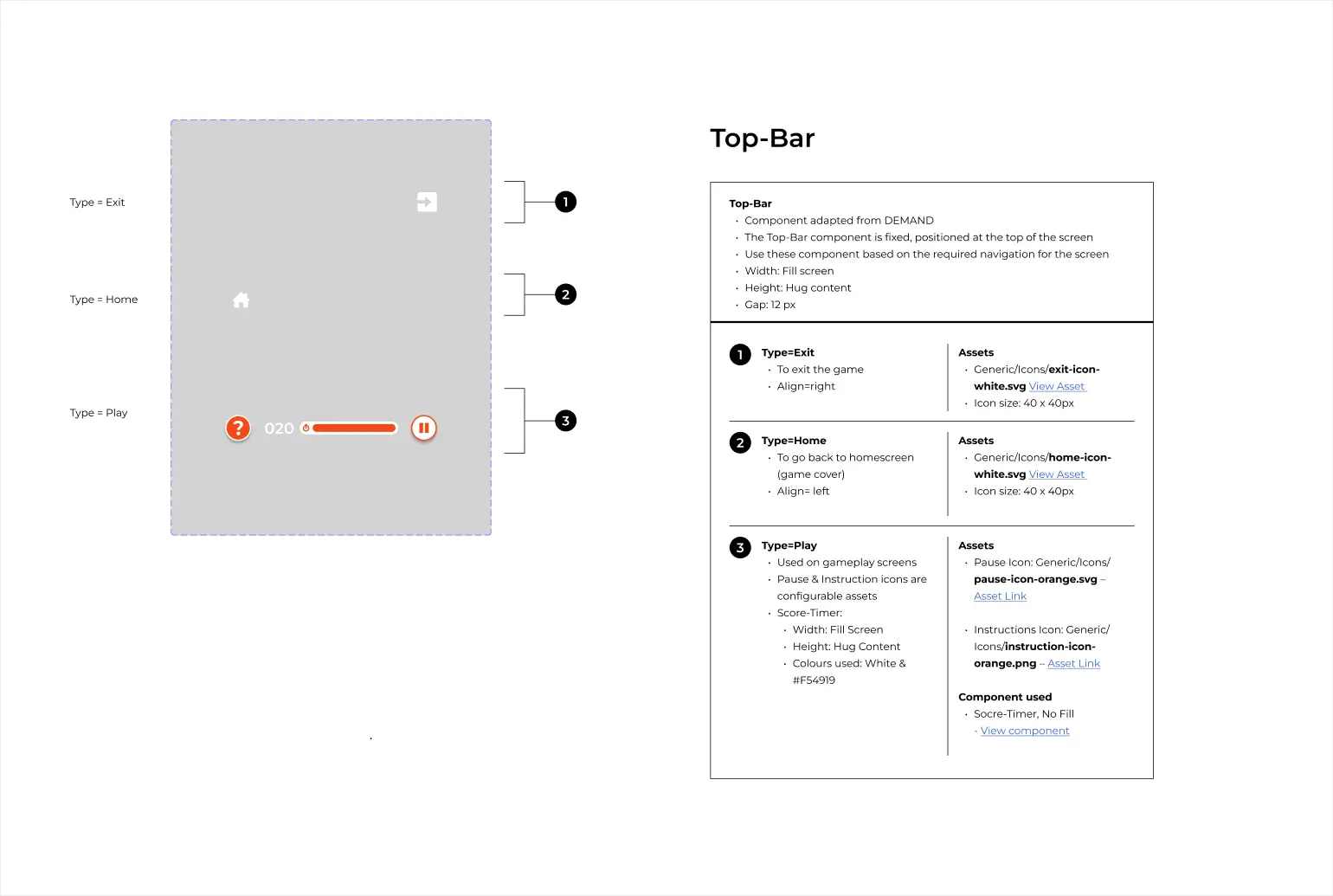
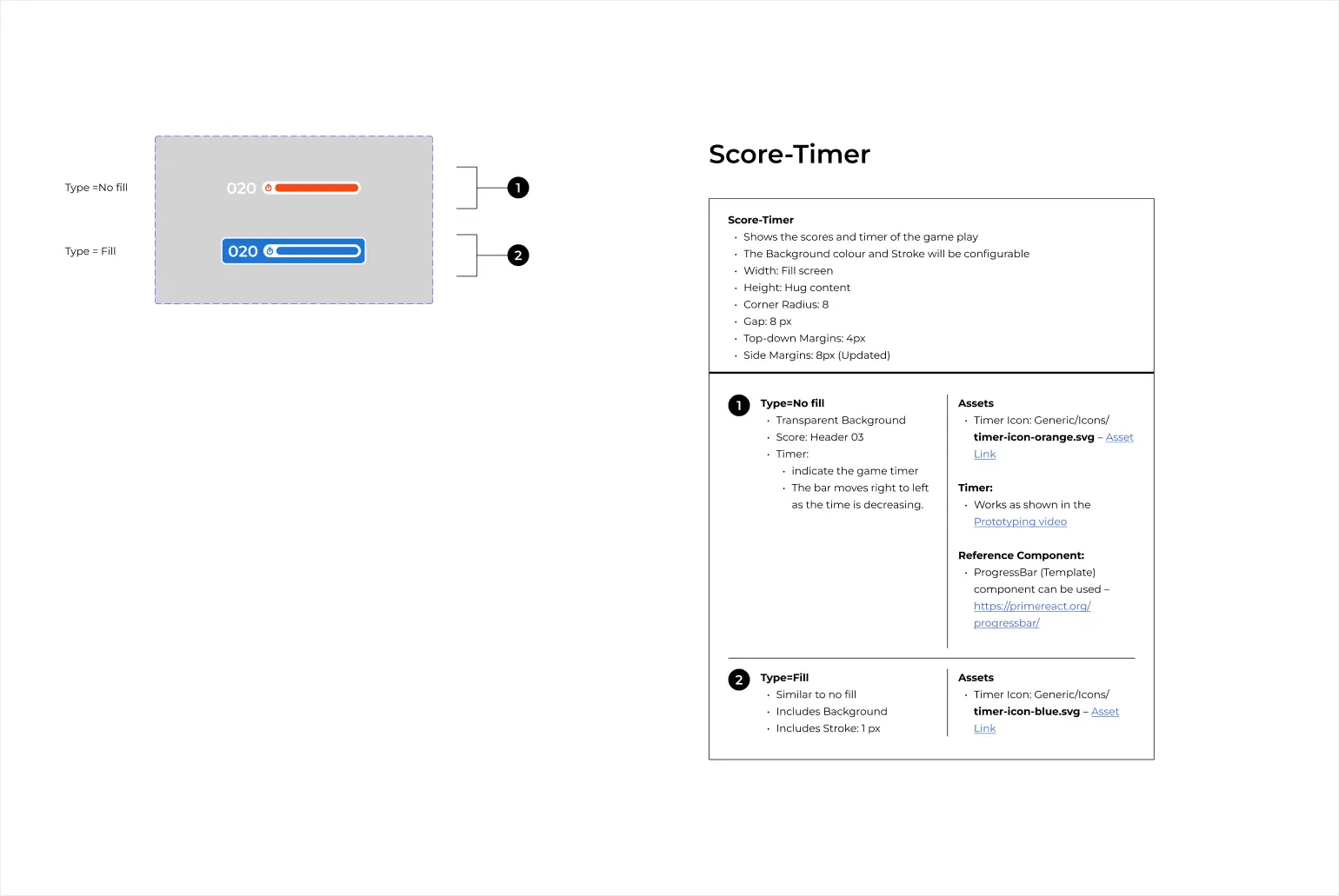
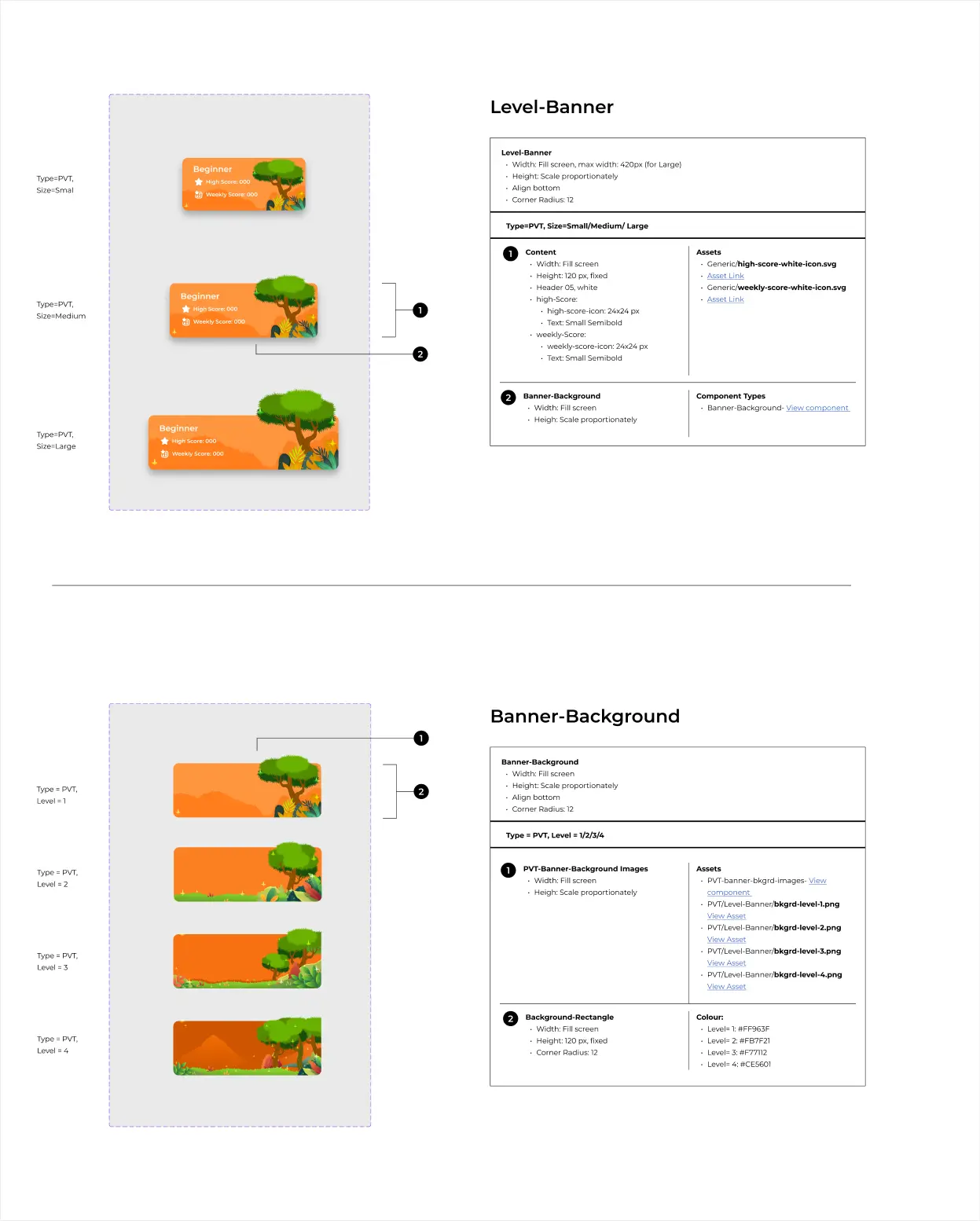
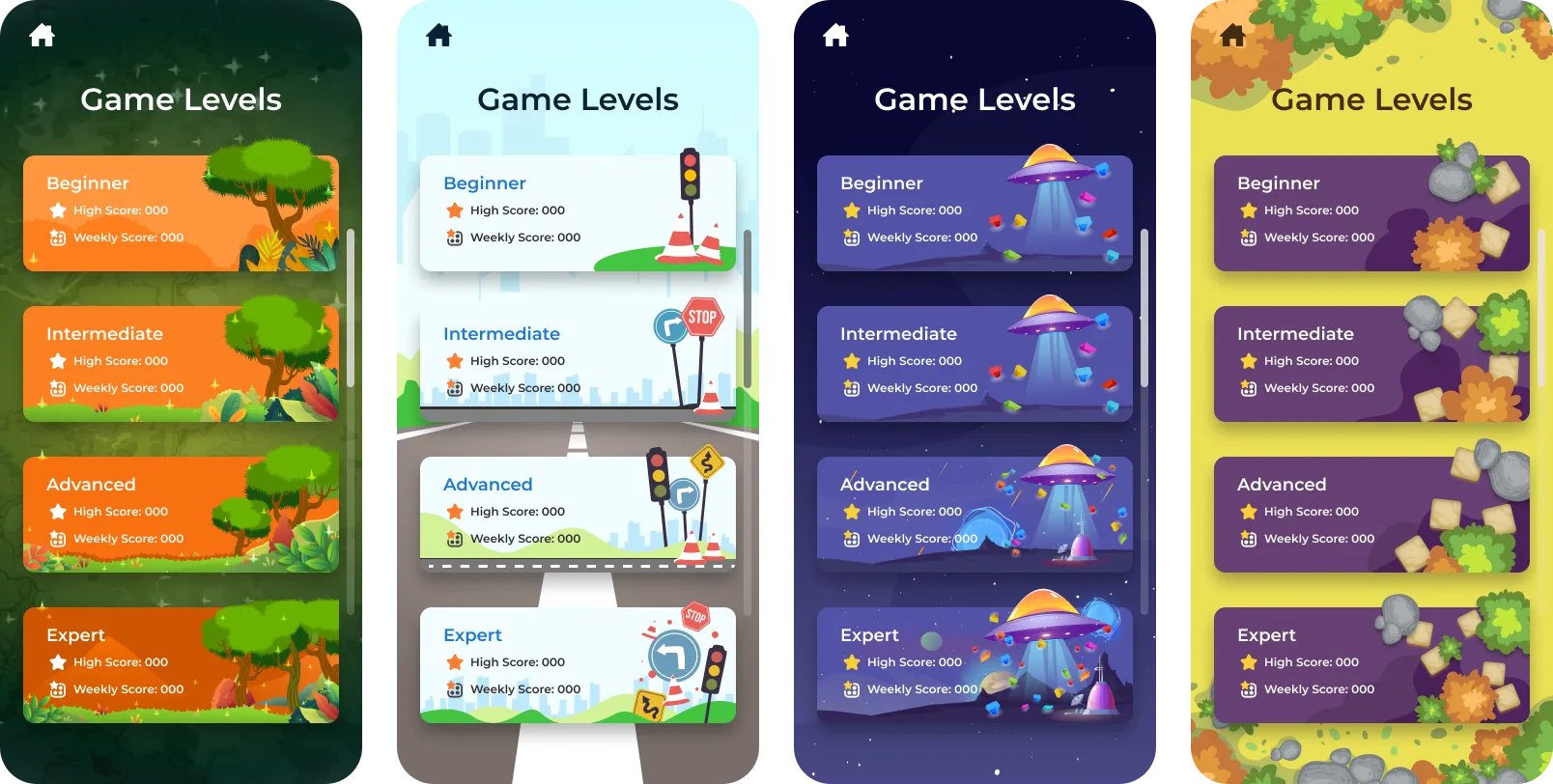
Buttons, the top bar, score and timer, level banners, type and feedback were built once and skinned per game, each with its own palette.

Mystic Jungle Quest

  • Ember#F54919
  • Canopy#659813
  • Deep jungle#0E2F1D

Signal Switch

  • Signal blue#1F72CB
  • Sky#E1FAFC
  • Asphalt#786E69

Space Cards Memory

  • Nebula violet#695FCF
  • Midnight#0B0A36
  • Alert red#E04D5D

Maze Walker

  • Royal purple#6C429B
  • Sunflower#E9E055
  • Marigold#FCB537
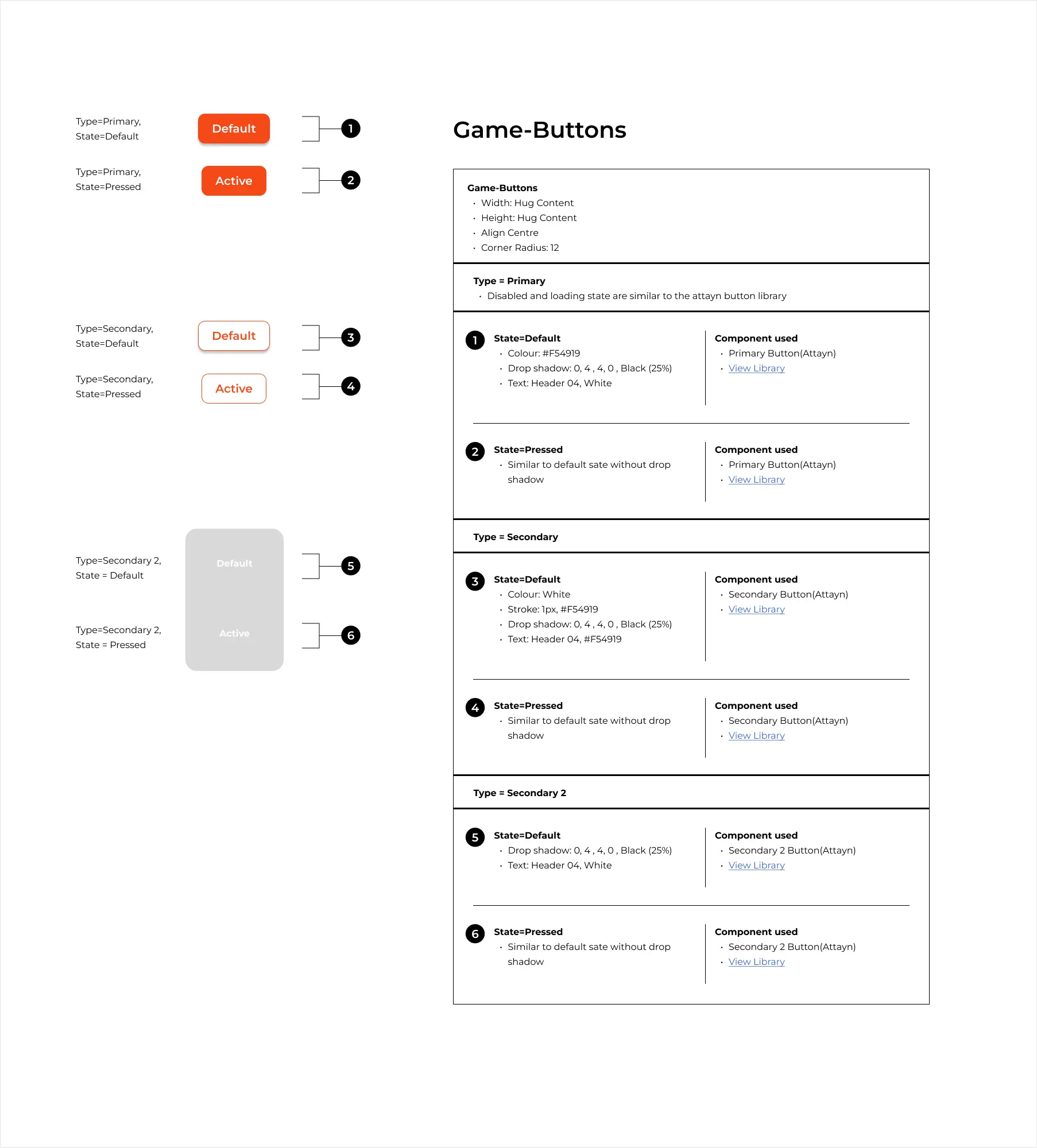
Game buttons: primary, secondary and secondary 2, each with default and pressed states and specs
Game buttons · states and specs
Top bar component: exit, home and play variants with specs
Top bar · exit, home, play
Score-timer component: no-fill and fill variants with specs
Score and timer
Level banner in three sizes and the four level backgrounds
Level banner · sizes and levels
The same level-selection component in four game skins
One level screen · four skins
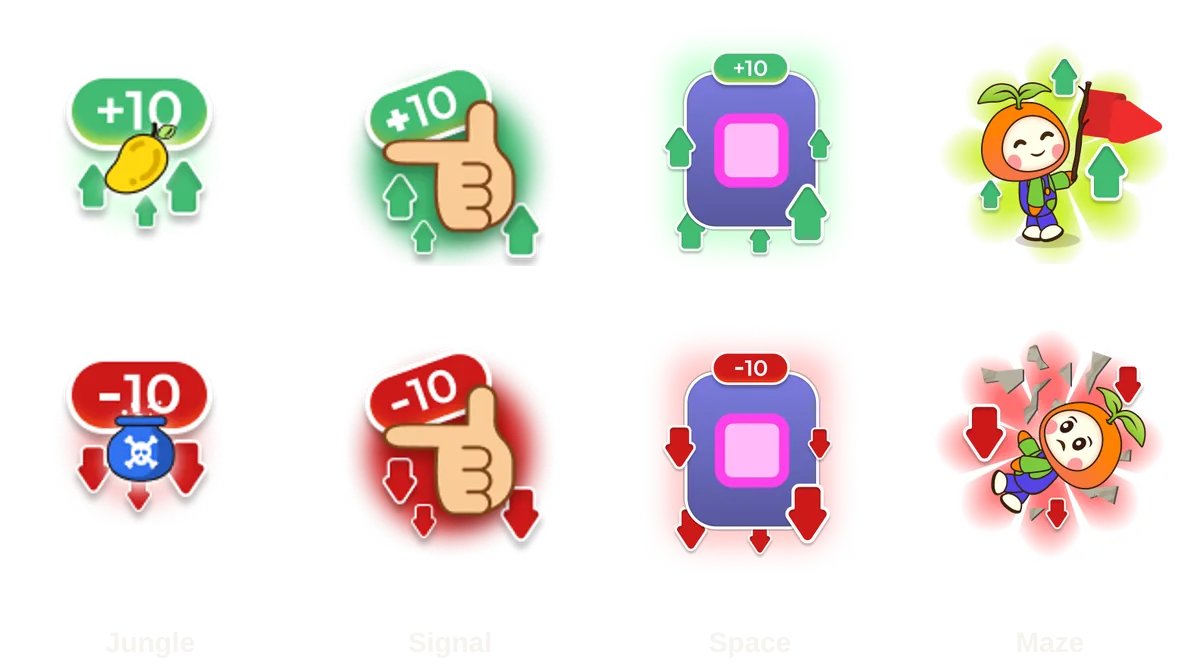
Positive and negative feedback states across the four games
One feedback language
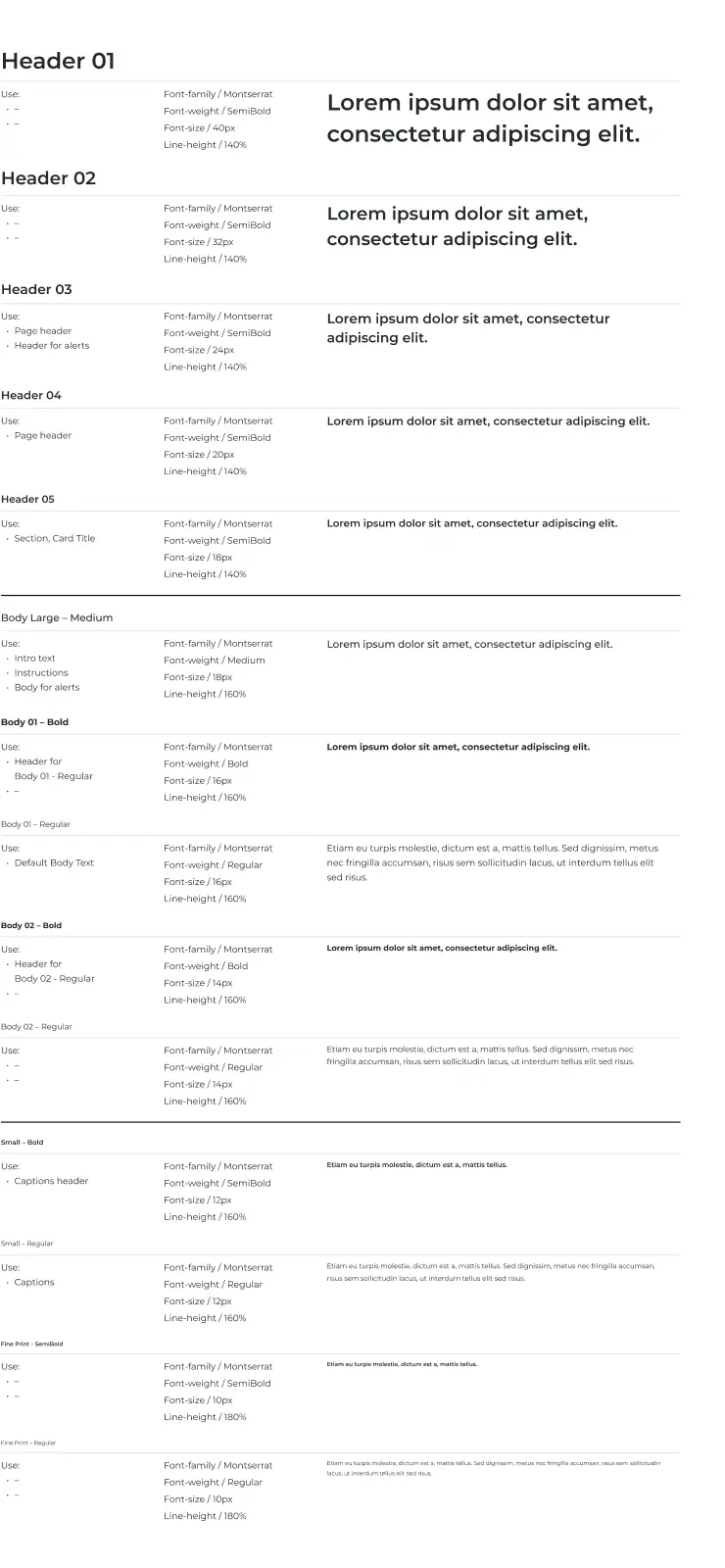
Type scale: Montserrat headers 01 to 05, body, small and fine print
Type scale · Montserrat

The design system · new per game

And the parts each game needed of its own.

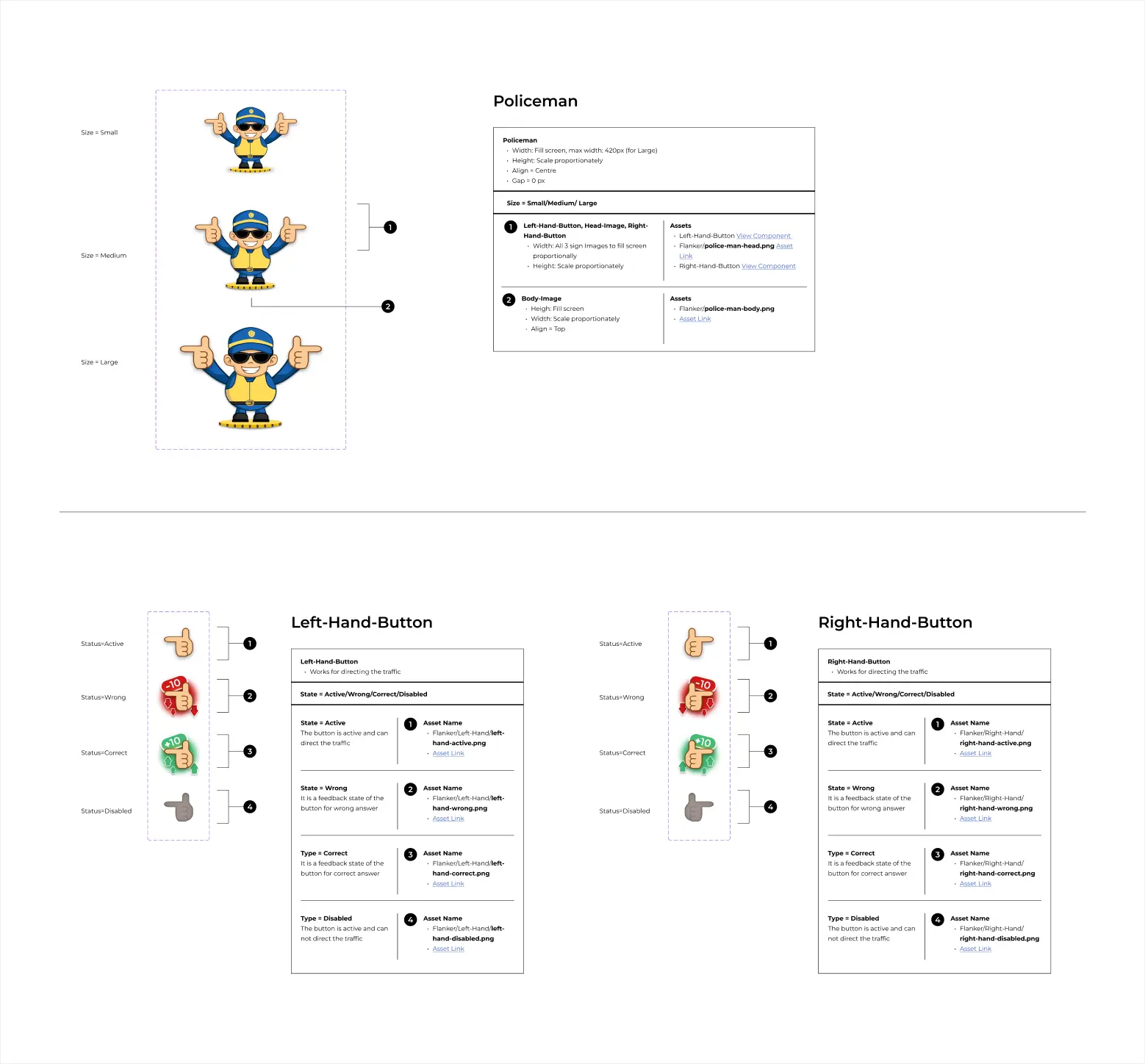
Each game also needed parts of its own: safe and unsafe objects, a policeman and hand buttons, card states, and the maze grids and tiles.
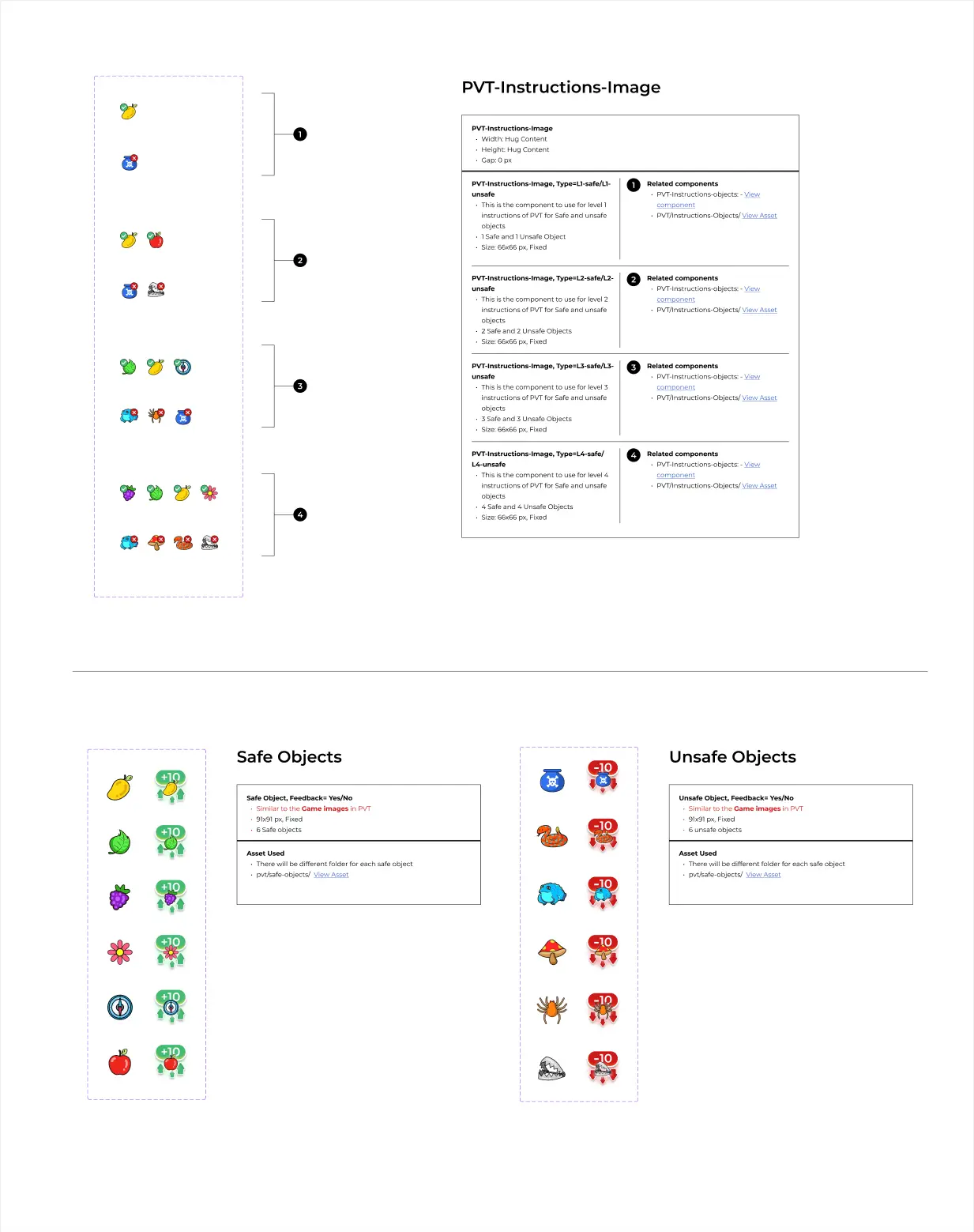
PVT: instruction images per level, six safe and six unsafe objects with +10 and -10 feedback
Jungle · safe and unsafe objects
Flanker: the policeman in three sizes and the left and right hand buttons in active, wrong, correct and disabled states
Signal · policeman and hand buttons
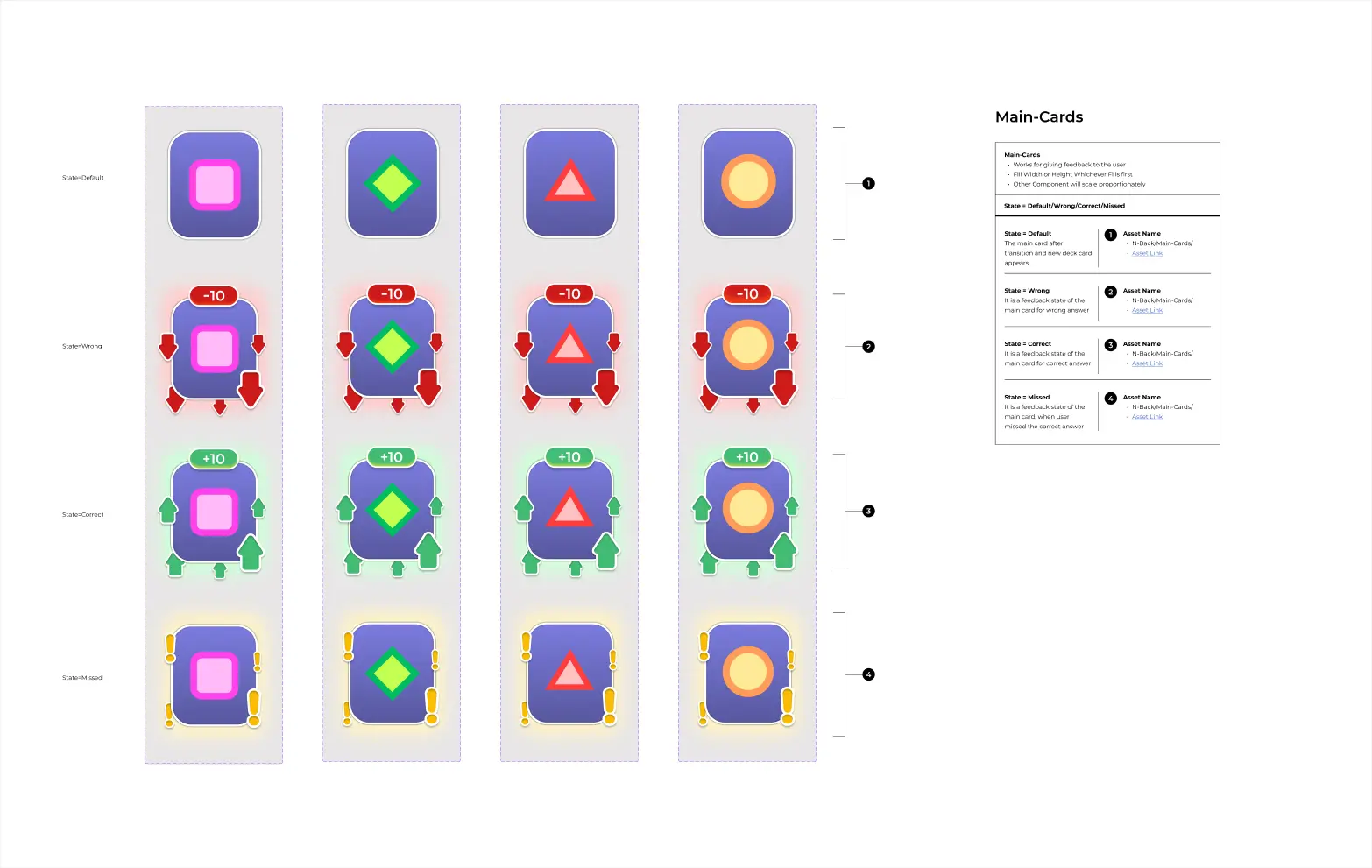
N-Back: main cards in default, wrong, correct and missed states
Space · card states
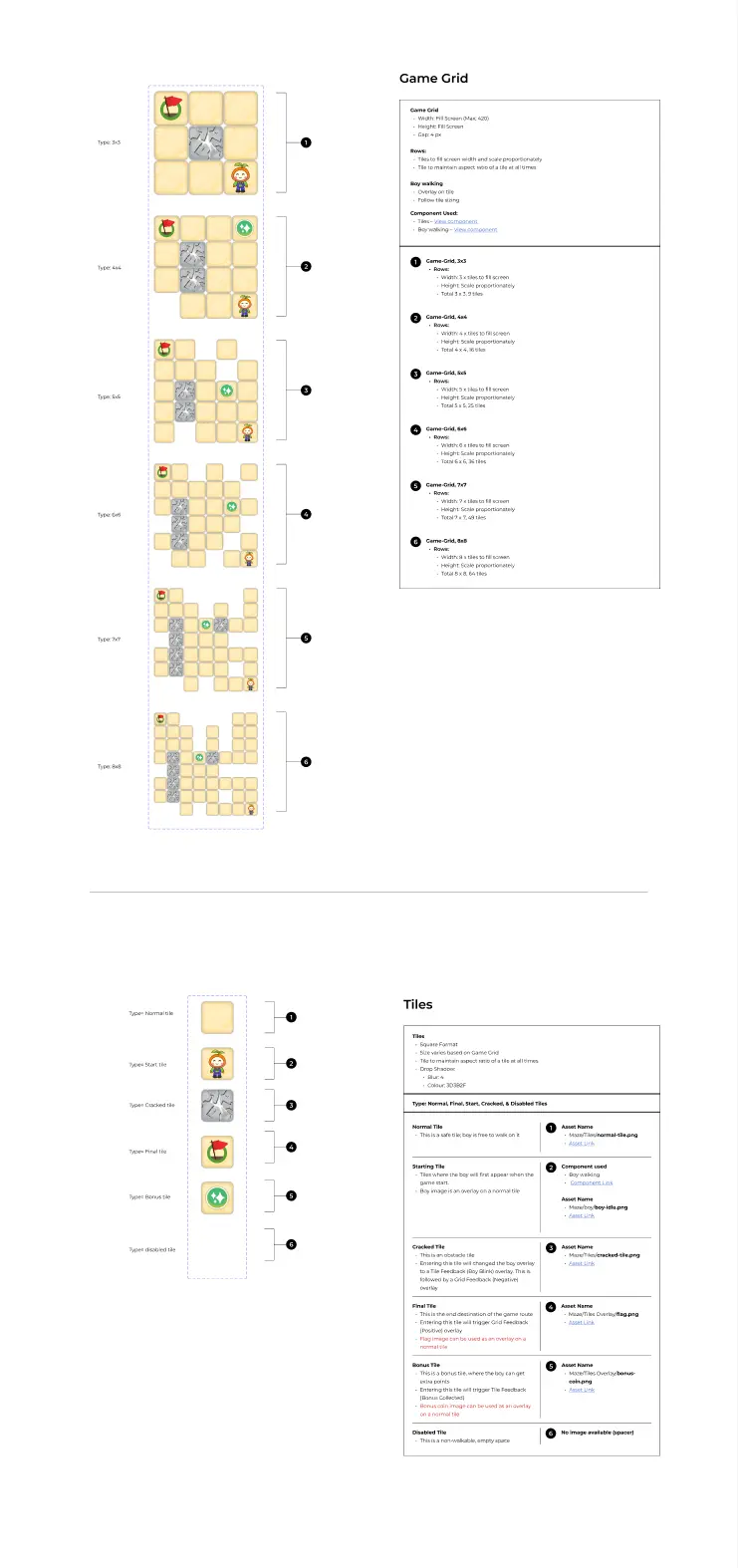
Maze: game grids from 3x3 to 8x8 and tile types
Maze · grids and tiles
Signal Switch character separated into reusable parts
Signal · character built from parts

Hide the complexity.Keep the science.

DBFS taught me systems. The games taught me story.

Neurowyzr · DBFS and Cognitive Games